
This site is no longer active!
If you are the owner, you must reactive this site for it to be published again
or contact us at support@rebolthq.com

If you are the owner, you must reactive this site for it to be published again
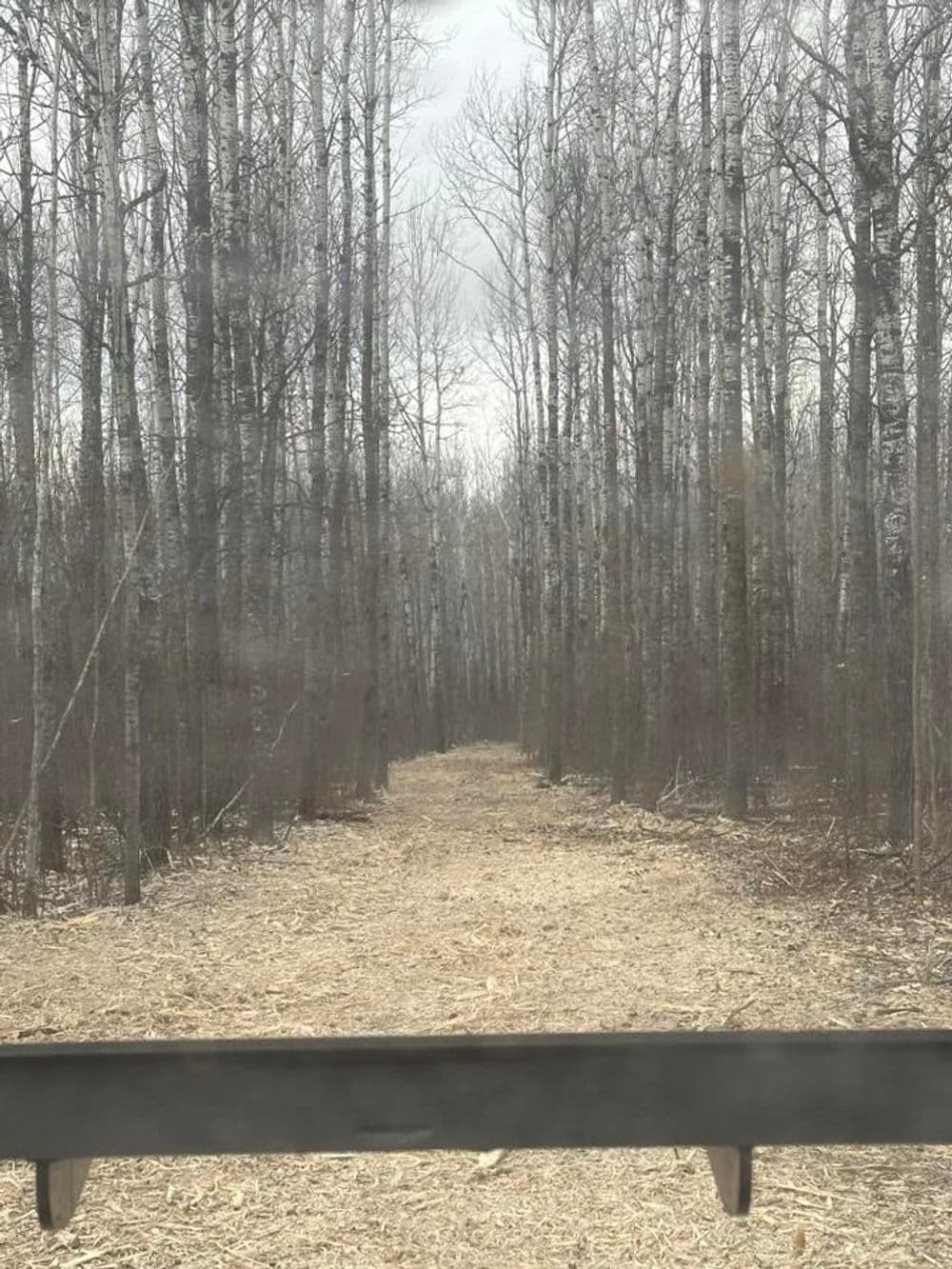
We remove hazardous limbs to protect your property, improve tree health, and leave your yard neat.
At Freedom Forestry, limbing is one of the core tree services we provide to keep your property safer, cleaner, and easier to manage. Limbing is the process of removing branches from a standing tree or from a tree that has already been felled. It may sound simple, but doing it the right way takes training, planning, and the right equipment. We handle limb removal with care so your trees, structures, and surrounding landscape are protected.
We provide limbing for homeowners, landowners, and property managers who need help with storm cleanup, tree maintenance, lot clearing, forestry work, and hazard reduction. In many cases, overgrown, broken, hanging, or low branches can create real problems. They may threaten your roof, block driveways, interfere with fences, shade out lawns, or create safety risks around walkways, vehicles, and outdoor living areas. Our job is to remove those limbs efficiently and safely while improving the function and appearance of your property.
Our limbing service can be tailored to the needs of the property and the condition of the tree. Depending on the job, we may remove dead limbs, weak branches, storm-damaged limbs, low-hanging branches, crossing branches, or limbs that are crowding buildings, power line corridors, fence lines, trails, or access roads. For downed trees, limbing is often one of the first steps in cleanup because it makes the trunk easier and safer to cut, move, or haul away.
We begin by evaluating the tree, the branch structure, and the area around it. We look at the size and weight of the limbs, the natural lean of the tree, any tension in the wood, nearby structures, and the safest direction for branch removal. This is especially important after storms, when limbs can be twisted, split, or partially supported in ways that make them unpredictable. Our experience helps us avoid property damage and reduce risk during the job.
Improper branch removal can injure the tree, create unsafe conditions, and lead to expensive repairs. Large limbs can swing, drop, or kick back without warning. Cutting in the wrong place can tear bark, split the trunk, or leave the tree open to decay and disease. That is why limbing should not be treated like basic yard work. We use proven methods to remove limbs in a controlled way and to protect the long-term health of the tree whenever the tree is being preserved.
Professional limbing can also improve clearance and visibility around your property. If branches are hanging over a driveway, brushing against your home, crowding a shed, or blocking sight lines, removing them can make the space safer and more usable. On wooded lots and larger rural properties, limb removal can also support access for equipment, reduce fuel load, and help prepare land for additional forestry or landscaping work.
Every limbing job starts with a clear plan. We identify hazards, determine the best cut sequence, and choose the right tools for the tree size and access conditions. Some jobs require hand tools and careful climbing work. Others call for chainsaws, pole saws, rigging methods, or equipment support. We work methodically so limbs come down in a controlled manner and the site stays organized throughout the process.
We also pay attention to what happens after the cuts are made. Depending on your needs, we can stack limbs, chip brush, haul away debris, or leave material in a designated area for firewood, habitat use, or later disposal. Our goal is not just to cut branches, but to leave your property safer and more manageable when we are done.
Limbing can mean different things depending on the situation. For standing trees, the focus is often on removing problem limbs while maintaining the tree’s structure and appearance. This may be part of routine tree care, crown raising for clearance, or hazard reduction around buildings and outdoor spaces. For downed trees, limbing is usually part of storm damage cleanup, tree removal, or forestry processing. In that case, we remove branches from the trunk so the wood can be cut into sections and moved safely.
Both types of limbing require attention to balance, pressure points, and surrounding obstacles. A branch under tension can release fast once cut. A downed tree may be pinned, partially suspended, or tangled with other trees. These are the kinds of details that make experience matter.
You should consider limbing when you notice deadwood, cracked branches, limbs hanging too low, or branches growing too close to your home or other structures. It is also smart to schedule service after storms, before severe weather seasons, or when you are getting a property ready for sale, construction, fencing, or landscaping improvements. If a branch looks questionable, it is better to have it evaluated early than to wait until it fails.
When you hire Freedom Forestry, you can expect honest recommendations, careful work, and a practical approach based on real field experience. We understand that tree work is not just about appearance. It is about safety, access, property value, and preventing bigger problems later. We take the time to assess the site, explain what needs to be done, and complete the work with respect for your land and your goals.
We know every property is different. A limb hanging over a roof requires a different plan than clearing branches from a wooded trail or cleaning up a storm-damaged tree in the yard. That is why we do not take a one-size-fits-all approach. We provide service based on the actual condition of the tree, the surrounding environment, and the result you want.
If you have hazardous limbs, low branches, storm damage, or a tree that needs professional attention, we are ready to help. Freedom Forestry provides reliable limbing service with a focus on safety, efficiency, and clean results. Contact us today to discuss your project, schedule an evaluation, and get your property back in shape.
We start with a site visit to inspect limb height, canopy density, tree health, hazard points, and access around your home or landscape. Then we explain what should be removed for clearance, safety, and appearance, and give you a clear estimate with a realistic timeline.
Once approved, we schedule the work and arrive with the right climbing gear, saws, and rigging tools to limb the tree safely and efficiently. We protect lawns, planting beds, fencing, and driveways while removing dead, low, crowded, or storm-damaged limbs with careful cuts that support long-term tree health.
After limbing is complete, we chip brush, remove wood debris, and leave the work area neat and usable so you are not stuck with the mess. Before we leave, we walk the property with you, review the finished work, and make sure you are fully satisfied with the results.
Common questions homeowners ask us about tree limbing, safety, cleanup, pricing, and what to expect when you hire Freedom Forestry.
Limbing is the removal of low, dead, broken, or overgrown tree branches. We usually recommend it when limbs are hanging over a roof, driveway, fence, sidewalk, or power line area, or when branches are rubbing together and causing damage. It can also improve clearance, reduce storm risk, and make your property look cleaner and more open.
It depends on the tree’s health, structure, and location. If the tree is healthy and the problem is mostly overgrown or damaged branches, limbing is often the right fix. If the tree is severely diseased, split, dying, or unsafe at the trunk, removal may be the better option. At Freedom Forestry, we inspect the tree first and give you honest guidance based on what is safest and most cost-effective for your property.
Tree limbing can be dangerous without the right equipment and experience. Heavy limbs can fall unpredictably, and working at height near homes, fences, or utility areas takes skill. We handle limbing with proper safety procedures and job planning to protect your property and the people around it. Hiring a professional helps reduce the risk of injury and accidental damage.
Yes. We do not leave you with a mess. After limbing, we clean up the cut branches and debris from the work area so your yard is left neat and usable. We know cleanup matters just as much as the cutting, and we make that part of the service clear from the start.
The price depends on the size of the tree, how many limbs need to be removed, how hard the tree is to access, and whether there are nearby structures or hazards. Smaller jobs cost less, while large trees or difficult limb removal take more time and equipment. We provide clear estimates so you know what to expect before any work begins.
We bring hands-on experience, careful work, and straightforward communication to every job. We know how to remove problem limbs without causing unnecessary damage to the tree or your property. Our goal is to make the process simple, safe, and stress-free from start to finish. If you need tree limbing done right, contact Freedom Forestry today to schedule an estimate and get expert help.
Protect your property and improve tree health before weak, overgrown limbs become a costly problem.